 EN
 Deutsch
 Español
 Français
 Português
 Română
10 Small Ways to Practice Gratitude Every Day
Practicing gratitude means regularly noticing the good things in your life and saying or writing them down. The easiest way to practice gratitude every day is to choose one small habit and tie it to something you already do: three good things before bed, a thank-you text after lunch or a minute spent imagining how a good thing might never have happened. In studies, exercises like these led to small improvements in mood and well-being.
What does it mean to practice gratitude?
To practice gratitude is to do something on purpose that makes you notice what’s going well and who helped. The feeling of gratitude comes and goes on its own. A gratitude practice is a small action you repeat, so you notice good things more often.
Gratitude is one of several habits that studies have linked to happiness. Our article with eight small habits to be happier covers the others, from talking to a stranger to two hours a week in nature.
10 ways to practice gratitude every day
You don’t need all ten. Pick one or two that fit your day and add another later if you want.
1. Write down three good things before bed
In the “three good things” exercise tested by Martin Seligman and colleagues in 2005, people wrote down three things that went well each day and why each one happened. They did it for one week and reported more happiness and fewer depressive symptoms for up to six months.
The “why” was part of the exercise. “Lunch with Sam” becomes “Lunch with Sam, because she remembered I’d had a hard week.”
2. Keep a short gratitude journal
If three things a night feels like too much, write one specific entry a day. Our guide on how to start a gratitude journal walks you through the first week, and our gratitude journal prompts help on days when nothing comes to mind.
3. Send someone a thank-you message
Text or email one person and say what they did and how it helped you. In three experiments by Amit Kumar and Nicholas Epley, published in 2018, people wrote gratitude letters and guessed how the recipients would feel. They underestimated how surprised and how happy the recipients would be and overestimated how awkward they’d feel. The more awkward people expected it to be, the less willing they were to send their thanks.
A short message is enough: “Thanks for covering for me on Tuesday. I made it to my daughter’s recital because of you.”
4. Write a gratitude letter to someone you never thanked
A gratitude letter is longer than a text. You write to someone who helped you in a way you never properly thanked them for. In the same 2005 Seligman study, people who wrote a letter like this and delivered it in person got the biggest boost at first, but the effect was gone three months later. A letter works well now and then, next to a smaller daily habit. Our guide on how to write a gratitude letter has six steps and three examples.
5. Imagine a good thing never happened
Think of something good in your life, like a friend, your home or your job, and spend a minute thinking about how it might never have happened. In studies by Minkyung Koo and colleagues published in 2008, students who wrote about how a positive event might never have happened felt better than students who wrote about how it came to be part of their lives. In another of their studies, people who wrote about how they might never have met their partner were more satisfied with their relationship.
6. Tell your partner what you noticed
Say the small thing out loud: “Thanks for making coffee before I got up.” In a study of couples who lived together, Sara Algoe, Shelly Gable and Natalya Maisel asked both partners to report on their days. Gratitude after an interaction predicted feeling more connected and more satisfied with the relationship the next day, for both the person who felt it and the partner. The study followed couples over time and didn’t assign anyone to say thank you, so it shows a link and doesn’t prove that thanking causes the change.
7. Stop for a few seconds during a good moment
When something small goes well, like the first sip of coffee or a bus that arrives right on time, stop for a few seconds and notice it before you move on. This is the same thing a gratitude journal asks you to do, only during the day instead of at night. If you want to remember the moment, type two or three words into your phone.
8. Tie gratitude to something you already do
Pick a moment that happens every day: after you brush your teeth, while the kettle boils or when you sit down for dinner. In a study by Phillippa Lally and colleagues at University College London, 96 volunteers repeated one new daily behavior in the same situation for twelve weeks. The time it took for the behavior to feel automatic ranged from 18 to 254 days, and missing one day didn’t materially affect the process.
9. Share the best part of your day at dinner
Everyone at the table names one good thing from their day. It works with a partner, with roommates and with kids, who can answer with a single word. If you eat alone, send the good thing to a friend or a family group chat, or use one of the gratitude apps made for sharing with friends.
10. Fill a gratitude jar
Write one good thing on a small piece of paper, add the date and drop it into a jar. At the end of the month, read all the notes together. Our article on the gratitude jar has 40 ideas for what to write.
How often should you practice gratitude?
Studies don’t give one right frequency. In a study by Sonja Lyubomirsky and colleagues, people who listed what they were grateful for once a week became happier, while people who did it three times a week didn’t. The authors suggest that the second group may have gotten bored.
Daily practice also worked in other studies, including the second and third studies by Robert Emmons and Michael McCullough. A good rhythm is one where your entries or thank-yous still feel fresh. If a habit starts to feel automatic, switch to another idea from the list or try one of these gratitude exercises for adults. Our article on the benefits of gratitude journaling covers these studies in more detail.
How to practice gratitude when you’re going through a hard time
On a hard day, keep the practice very small and true. One word like “Shower” or “Soup” counts. You don’t have to feel grateful for the hard thing itself.
Gratitude exercises have limits. A 2016 meta-analysis led by Don Davis found that they improved psychological well-being a little more than neutral activities, but they had no clear effect on anxiety. If you’re dealing with depression or anxiety, talk to your doctor or a mental health professional. If you’re in crisis or thinking about hurting yourself, call or text 988 in the US. In an emergency, call 911.
For small things that still count on bad days, see our list of things to be grateful for.
A daily gratitude practice on your phone
We built Graceup for the daily part. You write one good thing a day in about 30 seconds, get a reminder at the time you choose and watch your streak fill the week with checkmarks. You can also share a moment with a small private group of friends or family.
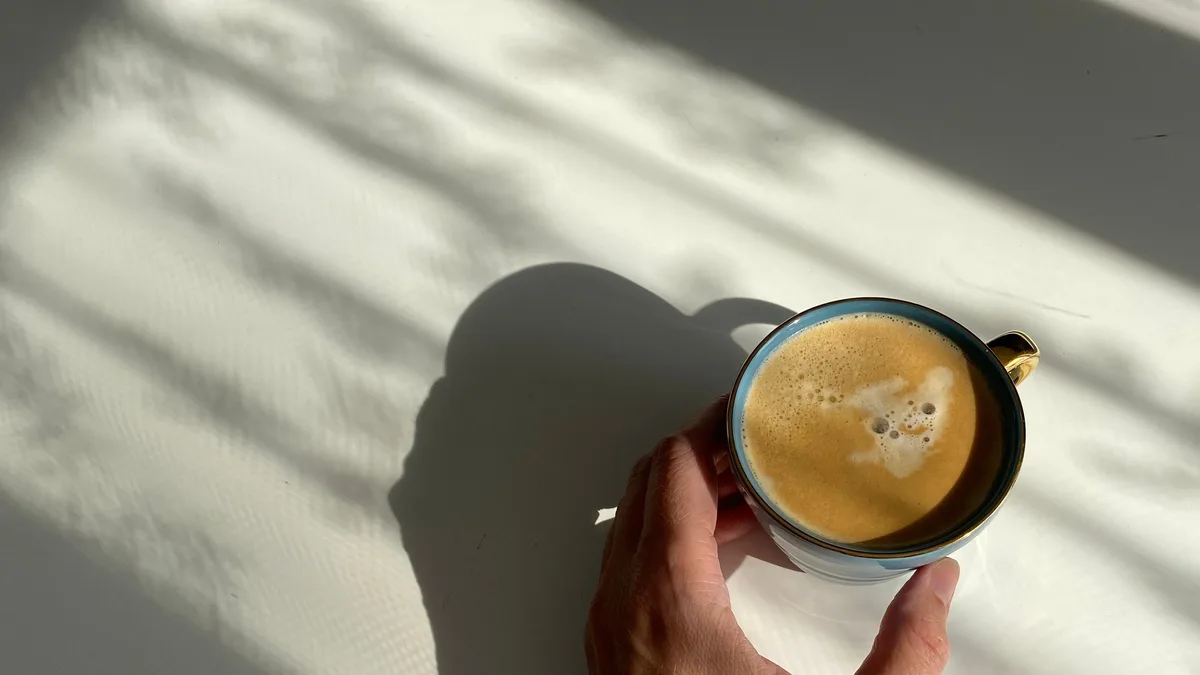
Photo: Lara on Pexels
Frequently asked questions
What is the easiest way to practice gratitude?
Write down one specific good thing before bed, like "Mia saved me a seat at lunch." It takes less than a minute and doesn't need a special notebook.
How long should a gratitude practice take?
A few minutes is enough. Writing down three good things or sending a quick thank-you message fits in that time.
Is it better to practice gratitude in the morning or at night?
We haven't found a study that compares the two. The three good things exercise was done at the end of the day, but the best time is the one you can tie to something you already do every day.
How often should you practice gratitude?
There's no single right answer in the research. In one study, people who listed what they were grateful for once a week became happier than people who did it three times a week. In other studies, daily entries also worked.
Can you practice gratitude without a journal?
Yes. You can send a thank-you message, tell your partner something you noticed, imagine how a good thing might never have happened or share the best part of your day at dinner.
How do you practice gratitude when you're depressed?
Keep it very small and true, even one word like "Shower." Gratitude exercises aren't a treatment for depression, so talk to your doctor or a mental health professional as well.
How long does it take for gratitude to become a habit?
There's no fixed number. In a study of new daily habits, the time it took for a behavior to feel automatic ranged from 18 to 254 days, and missing one day didn't materially affect the process.

I'm Eric, and I want to help make the world a better place. Studies show that people who make gratitude a habit are happier, sleep better and are kinder to the people around them. I built Graceup so this habit is within anyone's reach.