 EN
 Deutsch
 Español
 Français
 Português
 Română
7 Gratitude Exercises for Adults, Step by Step

Gratitude exercises for adults are short, planned activities that make you notice what’s going well and who helped you. Beyond a daily gratitude journal, you can visit someone to read them a thank-you letter, write a letter you never send, thank a coworker for something specific or imagine a good thing never happened. Most of these exercises take between a few minutes and half an hour, and several have been tested in published studies.
What is a gratitude exercise?
A gratitude exercise is one thing you do on purpose to notice something good and the people behind it. It differs from a daily habit in size: an exercise has a clear start and end, like writing one letter or taking one walk. You can do it once, or come back to it when you need it.
If you’re looking for small daily habits, our article on how to practice gratitude has ten of them. The exercises below take a bit more time, and several of them involve another person.
7 gratitude exercises for adults
1. Make a gratitude visit
- Think of someone who helped you and whom you never properly thanked.
- Write them a letter of about one page: what they did, when it happened and how it changed things for you.
- Ask to see them, without saying why.
- Read the letter out loud, then give it to them.
In a 2005 study by Martin Seligman and colleagues, people who made a gratitude visit like this felt the biggest boost in happiness of all the exercises tested. The effect lasted about a month and was gone three months later. Our guide on how to write a gratitude letter has examples you can start from.
2. Write a gratitude letter you don’t send
Write to someone you’re grateful to, the same way you would for a visit, and keep the letter. You can send it later if you want to, but you don’t have to.
In a 2018 trial by Joel Wong and colleagues, 293 adults who had come to a university clinic for counseling were split into three groups. One group wrote a gratitude letter each week for three weeks, one wrote about stressful experiences and one didn’t write at all. The letter writers reported better mental health four weeks and twelve weeks after the writing ended. The authors later explained that people didn’t have to send their letters and only 23 percent did.
3. Thank a coworker for something specific
Pick one thing a colleague did this week and tell them exactly what it was: “Thanks for checking my numbers on Tuesday. You caught the mistake before the client saw it.”
In experiments by Adam Grant and Francesca Gino, published in 2010, people who received a short written thank-you were more willing to help again. In a field experiment with university fundraisers, the callers made more calls after their manager thanked them. The researchers found that the thanks made people feel valued, and that feeling explained the extra help.
4. Tell a friend what you appreciate about them
Choose one friend and tell them, in person or in a message, something they do that you’re grateful for. Name the thing: “You always remember to ask how my mom is doing.”
In one of the studies by Nathaniel Lambert and colleagues, published in 2010, 75 people were split into groups. Those who expressed gratitude to a friend saw the friendship as stronger at the end of the study than those who only thought grateful thoughts about the friend, thought about daily activities or simply spent good time with the friend.
5. Imagine a good thing never happened
- Pick something good in your life: a friend, your partner, your home or your job.
- Write down the chain of chance events that led to it.
- Then write how your life might look if one of those events had gone differently.
In studies by Minkyung Koo and colleagues, published in 2008, people who wrote about how a positive event might never have happened felt better than people who wrote about how it came to be part of their lives. This exercise is sometimes called mental subtraction.
6. Look for what a hard memory gave you
Pick an unpleasant memory that still bothers you a little, like a lost job or a move you didn’t want. Write about what came out of it that you can be grateful for now, such as a new friend or something you learned. Don’t use this exercise for trauma or for something that still hurts a lot.
In a 2008 study by Philip Watkins and colleagues, people wrote about an unpleasant memory for three sessions. Those who wrote about the positive consequences they could now be grateful for felt more closure and were less bothered by the memory than those who wrote about the event itself or about neutral topics.
7. Take a gratitude walk
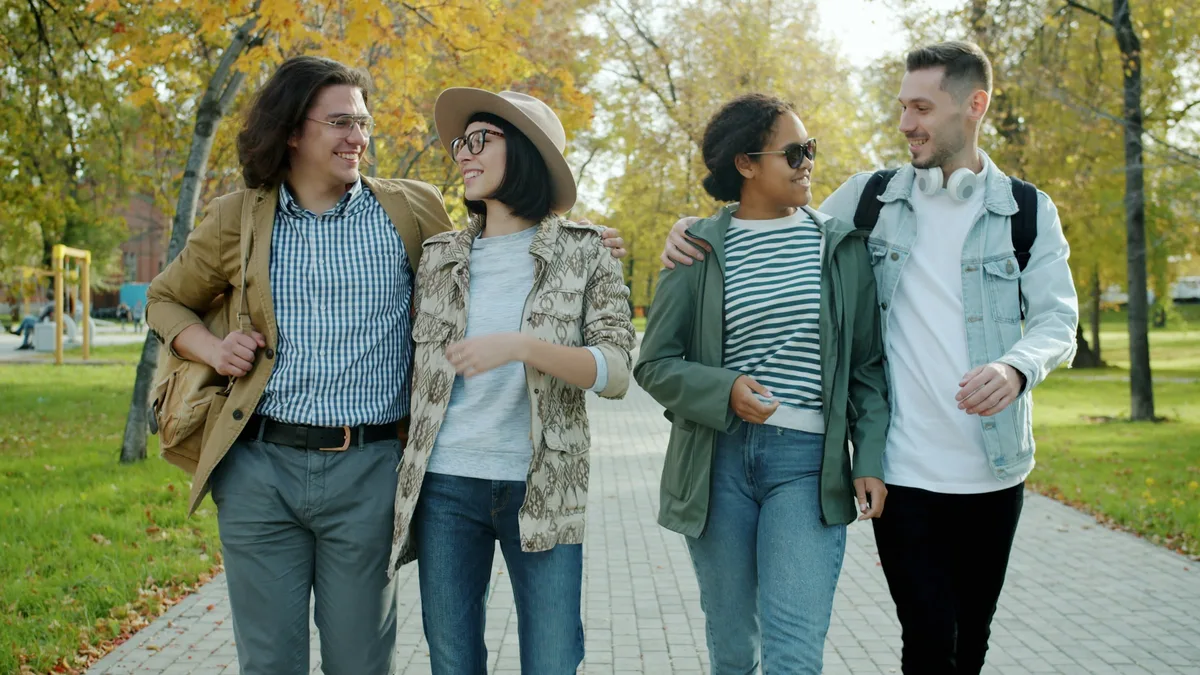
Walk for ten to twenty minutes and look for things you like: a tree that changed color, a dog waiting for its owner, the smell from a bakery. Say each one to yourself, or to the person walking with you. If you walk with a friend, take turns.
We haven’t found a study that tested a gratitude walk on its own. We include it because it’s easy to try and you don’t need to write anything.
Which gratitude exercise should you try first?
Start with the one that fits the time you have and the people around you.
| Exercise | Time | Alone or with others | Tested in |
|---|---|---|---|
| Gratitude visit | an hour or more | with the person you thank | Seligman and colleagues, 2005 |
| Letter you don’t send | about half an hour | alone | Wong and colleagues, 2018 |
| Thanking a coworker | a minute | at work | Grant and Gino, 2010 |
| Telling a friend | a few minutes | with a friend | Lambert and colleagues, 2010 |
| Imagining a good thing never happened | about fifteen minutes | alone | Koo and colleagues, 2008 |
| What a hard memory gave you | about fifteen minutes per session | alone | Watkins and colleagues, 2008 |
| Gratitude walk | ten to twenty minutes | alone or with someone | no study found |
The times are our estimates, not the times used in the studies.
What gratitude exercises can’t do
A 2016 meta-analysis led by Don Davis found that gratitude exercises improved psychological well-being only a little more than neutral activities, but they had no clear effect on anxiety. Our article on the benefits of gratitude journaling looks at these studies in more detail.
If you’re dealing with depression or anxiety, talk to your doctor or a mental health professional. If you’re in crisis or thinking about hurting yourself, call or text 988 in the US. In an emergency, call 911.
Gratitude exercises and a daily entry in Graceup
We built Graceup for the daily habit you can keep between these exercises. You write one good thing a day in about 30 seconds, and your entries fill a jar you open at the end of the month. You can also share a moment with a small private group, which makes it easier to thank a friend for something you wrote about.
Frequently asked questions
What is the most effective gratitude exercise?
No single exercise has been shown to beat all the others. In a 2005 study by Martin Seligman and colleagues, the gratitude visit gave the biggest boost at first, but the effect was gone three months later, while writing down three good things each night helped for longer.
Do you have to send a gratitude letter for it to work?
No. In a 2018 trial with 293 adults in counseling, people who wrote gratitude letters reported better mental health a few weeks later, even though they didn't have to send them and only 23 percent did.
How long does a gratitude exercise take?
Most take between a few minutes and half an hour. A thank-you to a coworker takes a minute, while a gratitude visit takes an hour or more.
Can you do gratitude exercises with other people?
Yes. A gratitude visit, a thank-you to a friend and a gratitude walk can all be done with someone else. In a 2010 study, people who told a friend they were grateful felt closer to that friend than people who only thought grateful thoughts about them.
Are gratitude exercises good for anxiety?
A 2016 meta-analysis found that gratitude exercises had no clear effect on anxiety, even though they improved well-being a little. If anxiety gets in the way of your daily life, talk to a doctor or a mental health professional.
How often should you do a gratitude exercise?
There's no fixed rule. The bigger exercises, like a gratitude visit, fit now and then, and a small one, like a daily entry or a thank-you, can be done every day.
What is a gratitude walk?
A gratitude walk is a walk of ten to twenty minutes where you look for things you like along the way and say them to yourself or to the person walking with you. We haven't found a study that tested it on its own.

I'm Eric, and I want to help make the world a better place. Studies show that people who make gratitude a habit are happier, sleep better and are kinder to the people around them. I built Graceup so this habit is within anyone's reach.